

Dove Season And Gun Charges In Texas: Unlawful Carry, Felon In Possession, And Hunting While Intoxicated
September 18, 2026
By Ed Chernoff
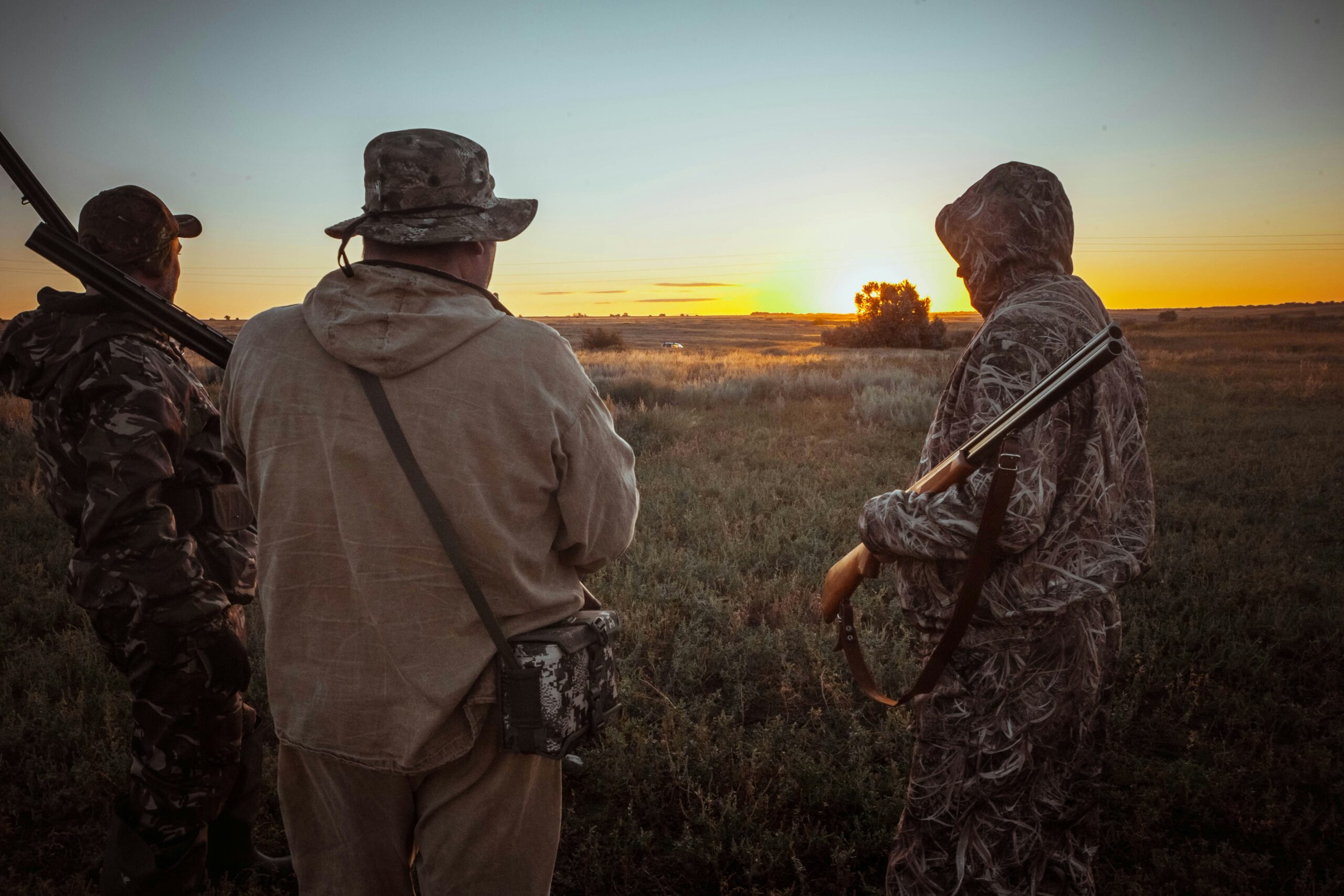
Dove season brings thousands of hunters into the fields across Texas each fall and winter. From hunting leases outside Houston to ranches and rural properties throughout the state, hunters spend their mornings pursuing doves and enjoying time outdoors. However, what begins as a routine hunting trip can quickly turn into a criminal investigation. Carrying a firearm where the law prohibits it, possessing a shotgun with a prior felony conviction, or handling a weapon while intoxicated can lead to serious Texas gun charges.
Although Texas generally allows eligible adults to carry firearms without a license, state and federal laws still place important restrictions on gun possession and use. These restrictions apply during dove season just as they do throughout the rest of the year. Consequently, hunters who misunderstand the law may face misdemeanor or felony charges that threaten their freedom, criminal record, and ability to possess firearms in the future.
If you or someone you love faces a weapons charge connected to dove hunting, understanding the allegations and your legal options can help you make informed decisions about your defense. At Chernoff Law, we defend people facing firearm offenses throughout the Houston area. Call us at 713-222-9141 or complete our online contact form to discuss your situation and learn how we can help protect your rights.
Unlawful Carry In Texas: When Does Carrying A Gun During Dove Season Become A Crime?
Since September 1, 2021, Texas has allowed eligible adults to carry handguns without a license under what many people call constitutional carry. Generally, adults who are at least 21 and legally permitted to possess firearms may carry handguns without obtaining a license. Texas also generally allows lawful firearm owners to carry rifles and shotguns, including the shotguns commonly used during dove season.
However, constitutional carry does not eliminate restrictions on where, when, or how someone may carry a firearm. Under Texas Penal Code Section 46.02 and other state laws, hunters can face criminal charges in certain circumstances, including:
- Carrying while legally prohibited: Certain felony convictions, misdemeanor convictions, and protective orders can restrict a person’s ability to possess or carry firearms. Depending on the circumstances, violations may lead to unlawful carry or unlawful possession charges.
- Carrying in prohibited locations: Texas Penal Code Section 46.03 restricts firearms in certain places, including schools, court facilities, and businesses that derive at least 51 percent of their revenue from on-premises alcohol sales. Hunters should understand these restrictions when traveling to and from hunting locations.
- Carrying a handgun during criminal activity: Under Section 46.02, carrying a handgun in a vehicle while engaged in certain criminal activities can lead to charges. However, a separate criminal offense does not automatically make every instance of firearm possession unlawful.
- Carrying a handgun while intoxicated: Texas law prohibits carrying a handgun while intoxicated in certain circumstances. However, the statute includes exceptions involving private property and vehicles, making the specific facts important.
- Carrying a handgun under age 21: Although the statutory language contains an age restriction, federal court rulings prevent Texas from enforcing that restriction against otherwise eligible adults ages 18 through 20 solely because of their age.
Unlawful carrying of a weapon under Texas Penal Code Section 46.02 is generally a Class A misdemeanor. Under Section 12.21, that means up to one year in county jail, a fine of up to $4,000, or both. However, a person who is legally barred from having a firearm under Section 46.04 and carries a handgun away from their own home or vehicle can face a felony. That charge is second degree for people with a prior felony and third degree for people barred because of family violence or a protective order. Carrying a weapon into certain prohibited places under Texas Penal Code Section 46.03 is a separate offense. It is usually a third-degree felony, though certain offenses under that section are classified as Class A misdemeanors instead.
Because Texas gun laws distinguish between lawful possession, unlawful carrying, and prohibited locations, the circumstances surrounding an arrest matter. A hunter’s criminal history, the type of firearm involved, and where the alleged violation occurred can all affect the charges and potential penalties.
Felon In Possession Of A Firearm In Texas: Can Someone With A Prior Conviction Legally Go Hunting?
A person with a felony conviction may believe that enough time has passed to legally possess a firearm again or that hunting on private property does not violate the law. However, Texas and federal firearm restrictions can continue long after someone completes a criminal sentence. Consequently, a dove hunting trip could lead to new felony charges even if the person has stayed out of legal trouble for years.
Texas Penal Code Section 46.04 establishes restrictions on firearm possession following a felony conviction. Here is what hunters need to understand:
- State law limits: A person convicted of a felony generally cannot possess a firearm until at least five years have passed since their release from confinement or supervision, whichever applicable date is later.
- Restrictions outside the home: After that five-year period, Section 46.04 generally prohibits firearm possession anywhere other than the premises where the person lives. Therefore, carrying a shotgun into a dove field can still violate Texas law even if someone completed their sentence years earlier.
- Federal firearm restrictions: Under 18 U.S.C. Section 922(g)(1), federal law generally prohibits people convicted of crimes punishable by more than one year in prison from possessing firearms. Unlike the Texas five-year provision, the federal prohibition does not automatically expire after a certain number of years. However, certain pardons and convictions that have been set aside, or restoration of civil rights, may remove the restriction, depending on the circumstances and whether firearm rights have been restored.
- Actual and constructive possession: A person does not have to own a firearm to face possession charges. Borrowing and handling another hunter’s shotgun may qualify as actual possession. Additionally, prosecutors may pursue constructive possession allegations when evidence shows that someone knowingly exercised control over a firearm, even without physically holding it. However, simply being near a firearm does not automatically establish possession.
Unlawful possession of a firearm by someone with a prior felony conviction under Texas Penal Code Section 46.04(a) is a third-degree felony, generally punishable by two to ten years in prison and a fine of up to $10,000. However, certain handgun-carrying violations under Section 46.02 can carry more severe penalties. Federal firearm possession charges may also result in up to 15 years in prison under 18 U.S.C. Section 924(a)(8), with enhanced penalties in certain cases. If you have a prior felony conviction and are considering hunting during dove season, speak with a criminal defense attorney before handling or carrying a firearm.
Hunting While Intoxicated In Texas: What Charges Can You Face If You Drink And Hunt?
Texas has specific laws against driving and boating while intoxicated, but the Texas Penal Code does not establish a separate offense called hunting while intoxicated. However, that does not mean hunters can drink without facing legal consequences. Texas restricts alcohol use on public hunting lands, and prosecutors may pursue criminal charges when an intoxicated hunter’s conduct violates other state laws.
The charges and penalties depend on where the hunt takes place, the type of firearm involved, and what happened. Depending on the circumstances, an intoxicated hunter may face several legal consequences:
- Public hunting violations: Texas public hunting regulations prohibit hunters from consuming alcohol or being under the influence of alcohol while engaged in hunting activities on public hunting lands. They also prohibit publicly consuming or displaying alcohol on those lands. Violating these rules can lead to penalties and revocation of the hunter’s public hunting permit.
- Public intoxication: Under Texas Penal Code Section 49.02, someone who appears in a public place while intoxicated to the degree that they may endanger themselves or others can face a Class C misdemeanor. However, this law does not automatically apply to someone hunting on private property.
- Unlawful handgun carrying: Under Texas Penal Code Section 46.02(a-6), carrying a handgun while intoxicated can lead to criminal charges. The statute includes exceptions for a person on their own property or property under their control, on private property with the owner’s consent, or inside or directly en route to a vehicle or watercraft they own or control, or whose owner or operator has given consent. This provision specifically addresses handguns rather than shotguns.
- Deadly conduct: Under Texas Penal Code Section 22.05, recklessly engaging in conduct that places another person in imminent danger of serious bodily injury is a Class A misdemeanor. Knowingly discharging a firearm at or in the direction of one or more people, or toward a home, building, or vehicle while being reckless about whether it is occupied, is a third-degree felony.
- Injuring another person: If a hunter shoots and injures someone, prosecutors may consider aggravated assault or other criminal charges depending on the circumstances, the hunter’s conduct, and the evidence of intent or recklessness.
Drinking alcohol does not automatically turn an otherwise legal hunt into a criminal offense. However, violating public hunting alcohol rules or handling a firearm dangerously can create serious legal problems. If you face criminal charges following a hunting incident, understanding the exact allegations and the evidence behind them can help you determine your next steps.
Arrested During Dove Season In Texas: What Should You Do Right Now?
The hours after an arrest matter most, because what you say and do can protect you or hand the State evidence. If you are detained over a firearm during a hunt, keep these steps in mind:
- Stay calm and courteous: Game wardens and deputies have broad authority in the field, and staying respectful keeps a bad morning from getting worse
- Do not explain or argue: You are not required to answer questions about where the gun came from, what you drank, or your record, and it is wise to politely decline until you have a lawyer
- Remember the details: Write down who was present, what was said, where the stop happened, and how the weapon was found as soon as you are able
- Call a lawyer quickly: The earlier a criminal defense attorney reviews your case, the more room there is to challenge the stop, the search, or the charge
No outcome is ever guaranteed, and anyone who promises otherwise is not being straight with you. A strong defense makes sure your side is heard and holds the State to its burden of proof.
Frequently Asked Questions About Texas Gun Charges And Dove Season
Can I carry a handgun while dove hunting in Texas?
In most cases, yes. Texas allows eligible adults to carry a handgun without a license. Although the statute sets the age at 21, federal court rulings prevent Texas from enforcing that restriction against otherwise eligible adults ages 18 through 20 solely because of their age. However, unlawful carrying charges can arise if you are legally prohibited from possessing firearms, carry a handgun while intoxicated outside the exceptions the law allows, or carry a handgun in a vehicle while engaged in certain criminal activity. Carrying firearms into prohibited locations can also result in separate charges.
Can a felon go hunting in Texas?
A person with a prior felony conviction may face serious restrictions on hunting with firearms. In Texas, someone convicted of a felony generally cannot possess a firearm until five years have passed since their release from confinement or supervision, whichever applicable date is later. After that period, the statute generally permits possession only at the premises where the person lives, not in a dove field. Federal law imposes additional restrictions without an automatic five-year expiration. Certain pardons, qualifying expungements, convictions that have been set aside, or restoration of civil rights may affect whether the federal prohibition applies.
What are the penalties for unlawful carry in Texas?
Unlawful carrying of a weapon under Texas Penal Code Section 46.02 is generally a Class A misdemeanor, punishable by up to one year in county jail, a fine of up to $4,000, or both. However, certain handgun-carrying violations involving people prohibited from possessing firearms under Section 46.04 can result in second-degree or third-degree felony charges. Additionally, carrying a weapon into certain prohibited locations is a separate offense under Section 46.03, which generally carries third-degree felony penalties, although some violations qualify as misdemeanors.
Do I need a lawyer for a gun charge in Harris County?
A firearm charge can affect your freedom, your criminal record, and your ability to hunt and possess firearms in the future. A Harris County gun charge defense attorney can review how the stop and search were handled, evaluate the evidence against you, and challenge weaknesses in the State’s case.
Talk To A Houston Gun Charge Lawyer Before Your Case Moves Forward
A dove hunt should end with stories around the tailgate, not a criminal charge hanging over your future. Whether you are facing unlawful carry, felon in possession, or an alcohol related charge from the field, the choices you make in the first days matter. You deserve a determined advocate who will fight for the best result your case allows.
Chernoff Law has stood beside people across the Houston area through the most serious criminal charges, and we are ready to help you understand your options. Call us today at 713-222-9141 or send us a message through our online contact form to schedule a confidential case evaluation and take the first step toward protecting your rights.
Disclaimer: This blog is intended for informational purposes only and does not establish an attorney-client relationship. It should not be considered as legal advice. For personalized legal assistance, please consult our team directly.
Related Posts














Reviews Matter
★
★
★
★
★
★
★
★
★
★
★
★
★
★
★
★
★
★
★
★