

Your Rights During A Police Encounter In Texas: What Should You Do When Stopped By Police?
August 20, 2026
By the Criminal Defense Team at Chernoff Law | Houston Criminal Defense Attorneys
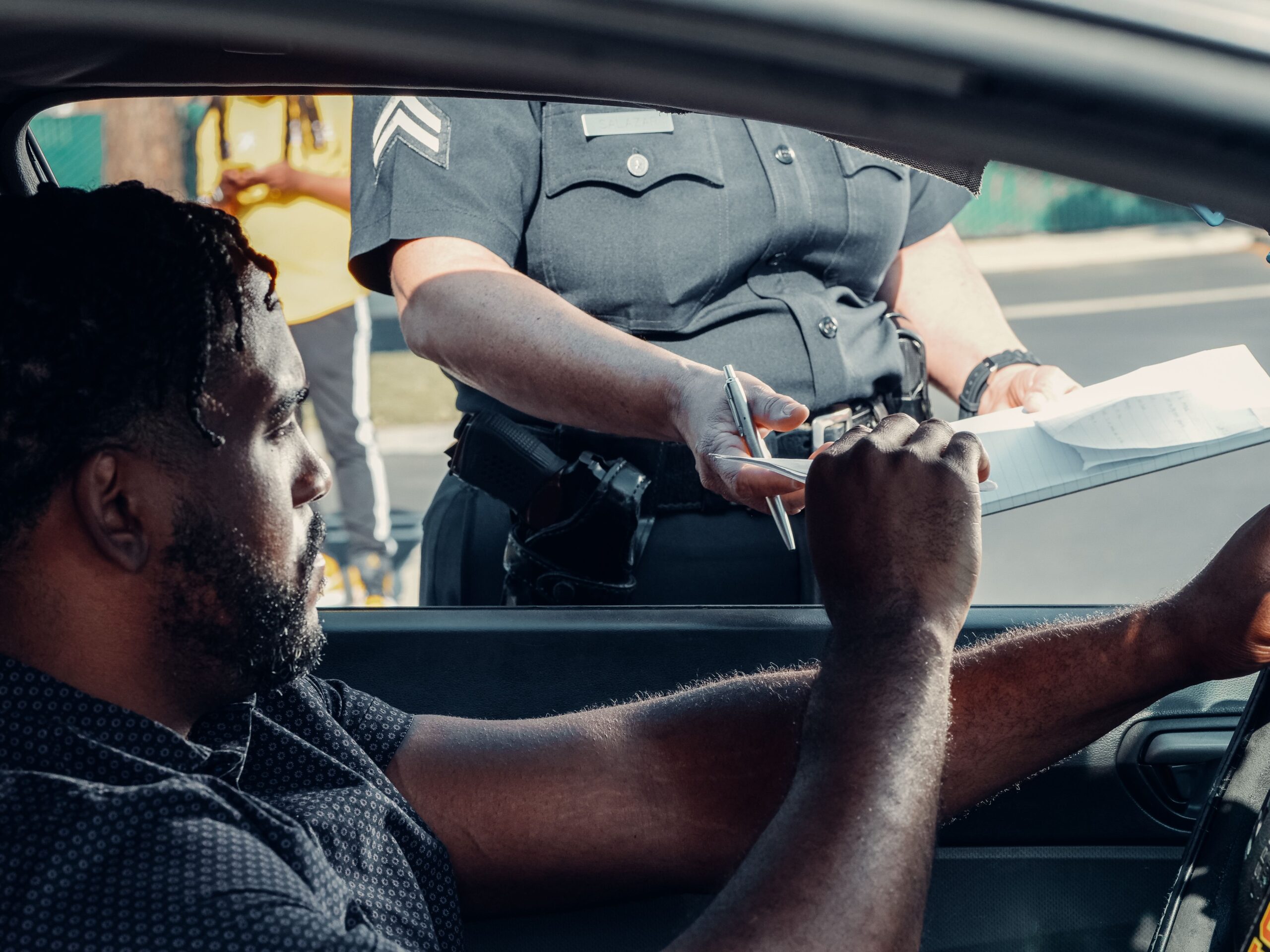
Getting stopped by the police can happen in a matter of seconds, and it can leave you shaken long after the officer walks away. Whether you were pulled over on I-45, questioned outside a bar in downtown Houston, or met by officers at your front door, knowing your rights during a police encounter in Texas can protect your freedom and your future. The choices you make in those first few minutes often shape everything that follows.
This guide walks you through what Texas law and the U.S. Constitution actually allow, what officers can and cannot do, and the calm, practical steps that keep a stressful situation from getting worse. The goal is simple: help you feel informed instead of overwhelmed, so you can protect yourself no matter how the encounter unfolds.
If you are facing charges after a police stop anywhere in the Houston area, you do not have to sort this out alone. Call Chernoff Law at 713-222-9141 or reach out through our online contact form to schedule a consultation and get clear answers about your situation.
The Right To Remain Silent In Texas: Why Should You Stay Quiet Until You Have A Lawyer?
The Fifth Amendment protects your right to remain silent during any police encounter, and that protection matters from the very first question. You are not required to explain where you are going, what you were doing, or who you were with. In Texas, you can make your intentions clear by calmly saying, I am invoking my right to remain silent.
Staying quiet is not an admission of guilt. Anything you say can be used against you later, and even innocent explanations can be misremembered or taken out of context. The safest approach is to politely decline to answer questions about the situation and ask to speak with a lawyer before you say anything more.
Failure To Identify In Texas: When Must You Give Police Your Name And Date Of Birth?
One of the most misunderstood parts of a police stop is whether you have to identify yourself. Under Texas Penal Code Section 38.02, you are only required to give your name, residence address, and date of birth once you have been lawfully arrested. If you are simply detained or being asked questions on the street, you are generally not required to provide that information.
There is one critical exception. You can never give police a false or fictitious name, address, or date of birth, whether you are detained or arrested. Doing so is a separate criminal offense in Texas and can turn a minor encounter into a misdemeanor charge.
- If you are detained: you do not have to answer questions or identify yourself, but you must never give false information
- If you are lawfully arrested: you must give your name, residence address, and date of birth when an officer asks
- If you are unsure which applies: ask the officer directly whether you are being detained or arrested
When you are not certain of your status, staying calm and asking for clarity protects you far better than guessing. A knowledgeable defense attorney can later review whether the stop and any request for your information were handled lawfully.
Search And Consent Rules In Texas: When Can Police Search You, Your Car, Or Your Home?
The Fourth Amendment and Texas law protect you from unreasonable searches. In most situations, officers need a valid warrant or probable cause before they can search your body, your belongings, your vehicle, or your home. You have the right to refuse consent, and refusing is not evidence that you did anything wrong.
If an officer asks for permission to search, you can respond calmly with, I do not consent to this search. That statement matters even if the officer decides to search anyway, because it preserves your ability to challenge the search later. An experienced defense attorney can review whether officers had a legal basis to search and whether any evidence they found should be thrown out.
Traffic Stops In Houston: What Do You Have To Do When You Are Pulled Over?
Traffic stops are the most common police encounter on busy Houston roads, from the Katy Freeway to the Sam Houston Tollway. When you are pulled over in Texas, you must show your driver license, proof of insurance, and vehicle registration if the officer asks. Beyond handing over those documents, you are not required to answer questions about where you are going or where you have been.
If you are unsure whether the stop is finished, you can ask, Am I free to go? That simple question helps clarify whether you are being detained or are free to leave. Keep your hands visible, avoid sudden movements, and stay respectful even if you believe the stop is unfair, because arguing rarely helps and can quickly escalate the situation.
Being Detained Or Arrested In Texas: What Happens After Police Take You Into Custody?
Texas officers need reasonable suspicion to detain you briefly and probable cause to make an arrest. A detention is temporary, while an arrest means you are being taken into custody. Once you are under arrest and being questioned, officers must read your Miranda rights, which include the right to remain silent and the right to an attorney.
If you are arrested, focus on staying calm rather than fighting the situation on the street. You can protect yourself by saying a few key things and then waiting for your lawyer:
- State your wish for counsel: say clearly, I want to speak with a lawyer
- Avoid resisting: do not physically resist, even if you believe the arrest is wrong
- Stop answering questions: politely decline to discuss the case until your attorney arrives
Resisting or arguing can lead to additional charges, so the smartest move is to comply physically while protecting your rights verbally. In real terms, your defense begins the moment you ask for a lawyer.
Police At Your Door In Texas: Do You Have To Let Officers Into Your Home?
Your home receives some of the strongest protection under the law. If officers come to your door, you generally do not have to let them inside unless they have a valid warrant or an emergency gives them a legal reason to enter. You are allowed to ask to see a warrant before you open your door.
If you choose to speak with officers, you can step outside and close the door behind you rather than inviting them in. Keeping the conversation at the threshold helps protect your privacy and avoids accidentally consenting to a search of your home.
Similar Post: Essential Questions To Ask A Criminal Defense Lawyer During Your Consultation
Recording The Police In Texas: Are You Allowed To Film Officers During An Encounter?
Yes, you can record police officers in Texas while they perform their duties in public. Texas is a one-party consent state for audio recording, which means you can record your own interaction with an officer without asking permission, and this right is supported by the First Amendment.
There are limits worth remembering. You cannot physically interfere with officers while you record, since interference with public duties is a separate offense under Texas Penal Code Section 38.15. A clear recording made from a safe distance can become valuable evidence if there is ever a dispute about what happened during the encounter.
Excessive Force And Your Rights In Texas: What Should You Do If An Officer Crosses The Line?
Texas law allows officers to use force that is reasonable and necessary, but excessive force violates your rights. If you are hurt during an encounter, your health comes first and careful documentation comes next. Evidence fades quickly, so acting soon after the incident matters.
- Seek medical care: get treatment right away and keep every record and bill
- Document your injuries: take clear photos as soon as you safely can
- Record the details: write down officer names, badge numbers, and what happened
- Contact an attorney: speak with a defense lawyer to review your options
Bringing this information to a lawyer quickly gives you the best chance to hold the right people accountable and to protect your rights going forward.
Similar Post: Miranda, Confession, and Coerced Statements: How Texas Courts Evaluate Interrogation Evidence in Capital Cases
Practical Next Steps After A Police Encounter In Texas: How Do You Protect Your Case?
What you do after the encounter can matter as much as what you did during it. Whether you were released, cited, or arrested in Harris County, Fort Bend County, or Montgomery County, a few steady steps help protect your future.
- Write it down: record everything you remember while the details are fresh
- Save your evidence: keep photos, videos, receipts, and any paperwork
- Avoid discussing the case: do not post about it online or explain it to friends
- Call a defense attorney: get legal guidance before your next court date
Taking these steps early gives your attorney more to work with and fewer surprises to untangle later. The sooner you act, the more options you tend to have.
Texas Laws That Shape Police Encounters: Which Rights And Statutes Actually Apply To You?
Several legal protections work together during a police stop in Texas. Understanding them in plain terms helps you see why your choices in the moment carry so much weight.
- Fourth Amendment: protects you from unreasonable searches and seizures
- Fifth Amendment: protects your right to remain silent and avoid self-incrimination
- Sixth Amendment: protects your right to an attorney
- Texas Penal Code Section 38.02: sets out when you must identify yourself and bans giving false information
- Texas Penal Code Section 38.15: makes it an offense to interfere with an officer performing official duties
These rules are meant to balance public safety with your individual rights, but they only help if you know how to use them. No blog can promise a specific outcome, and every case turns on its own facts, which is why guidance from a dedicated Houston criminal defense attorney is so valuable.
Similar Post: Can Your Text Messages Be Used Against You in a Texas Criminal Case?
Frequently Asked Questions About Police Encounters In Texas
Do I have to tell police my name during a stop in Texas?
Only if you have been lawfully arrested. Under Texas Penal Code Section 38.02, you must give your name, address, and date of birth after a lawful arrest, but you can never give false information at any point.
Can I refuse a police search of my car in Houston?
Yes. You can say, I do not consent to this search. Officers still need a warrant or probable cause to search your vehicle without your permission.
Is it legal to record police officers in Texas?
Yes. You can record officers performing their duties in public as long as you do not interfere. Texas is a one-party consent state for audio recording.
What should I say if I am arrested in Texas?
Ask for an attorney by saying, I want to speak with a lawyer, then stop answering questions about the case until your attorney is present.
Do I have to let police into my home in Texas?
Generally no, unless they have a valid warrant or an emergency applies. You can ask to see the warrant and step outside to talk instead of letting officers in.
Protect Your Rights With Chernoff Law Across The Houston Area
A police encounter can feel overwhelming, but you do not have to navigate what comes next by yourself. Chernoff Law defends people facing charges throughout Houston, Sugar Land, Katy, The Woodlands, and League City, handling everything from juvenile crimes to serious felonies with care and attention to detail.
If your rights were tested during a stop, search, or arrest, get answers before you make your next move. Call Chernoff Law at 713-222-9141 or complete our confidential online contact form to schedule your consultation. The sooner you reach out, the sooner we can start protecting your future.
Disclaimer: This blog is intended for informational purposes only and does not establish an attorney-client relationship. It should not be considered as legal advice. For personalized legal assistance, please consult our team directly.
Related Posts














Reviews Matter
★
★
★
★
★
★
★
★
★
★
★
★
★
★
★
★
★
★
★
★